
Volunteers met for the first time to begin work on new research project into how women use food as resistance. The project is the first of its kind and aims to shatter the stereotypes around women’s passive role in the kitchen. The project is called Kitchen Resistance, and will share stories of women activists in England, alongside recipes donated by food bank users.
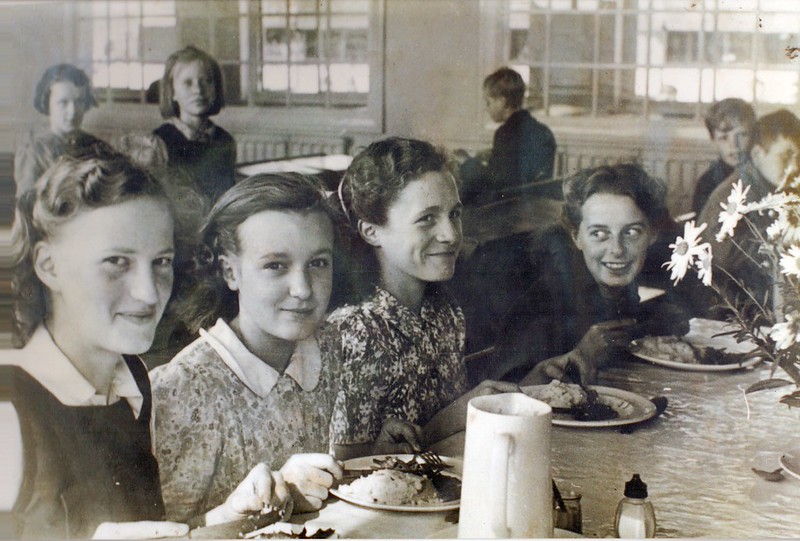
Project and volunteer coordinator, Esther Freeman said: “The project itself is an act of resistance. It challenges the idea that food bank users are feckless individuals who can’t budget or cook. Through their tasty and cheap recipes, we’ll prove this is a lazy stereotype. Food poverty is cyclical, occurring constantly throughout history, from the Irish Potato Famine, to our current cost of living crisis. Resistance is essential to our survival. Throughout history women have often been best placed to resist due to their unique position within the home.”
The volunteer meeting took place in Walthamstow, East London. It focused on teaching different research techniques, including both online and in archives and libraries. Each volunteer chose a different area to focus on, exploring topics such as food during wartime; food as solidarity; food as community and more.
FACT BOX
1. As well as fighting for the vote, suffragettes in East London fought food poverty, by providing free milk to infants and young children and running a cost-priced canteen.
2. While Marcus Rashford has become one of today’s food poverty heroes, he credits all his hard work to his mum, Melanie.
3. There are currently around 7.2 million people living in food poverty – that’s 11% of the population, including 17% of all children. That is an increase of 2.5 million people on the year before.
4. The project is run by Share UK, a heritage and arts organisation based in East London. It is funded by the National Heritage Lottery Fund.
Photo credit: Thorny Society Archive